

Most common exterior painting mistakes homeowners make
And how to avoid them for a finish that actually lasts in Irish weather.
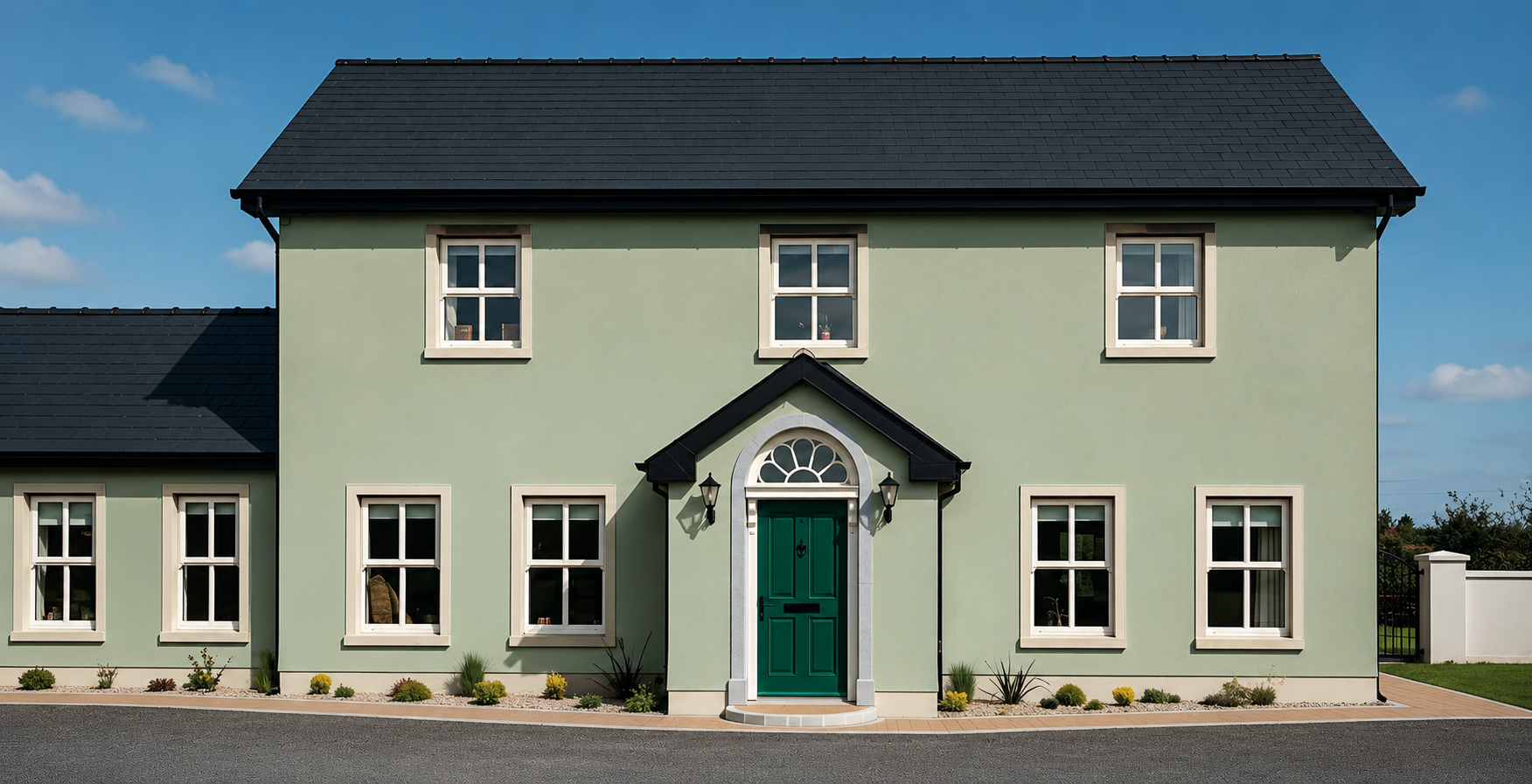
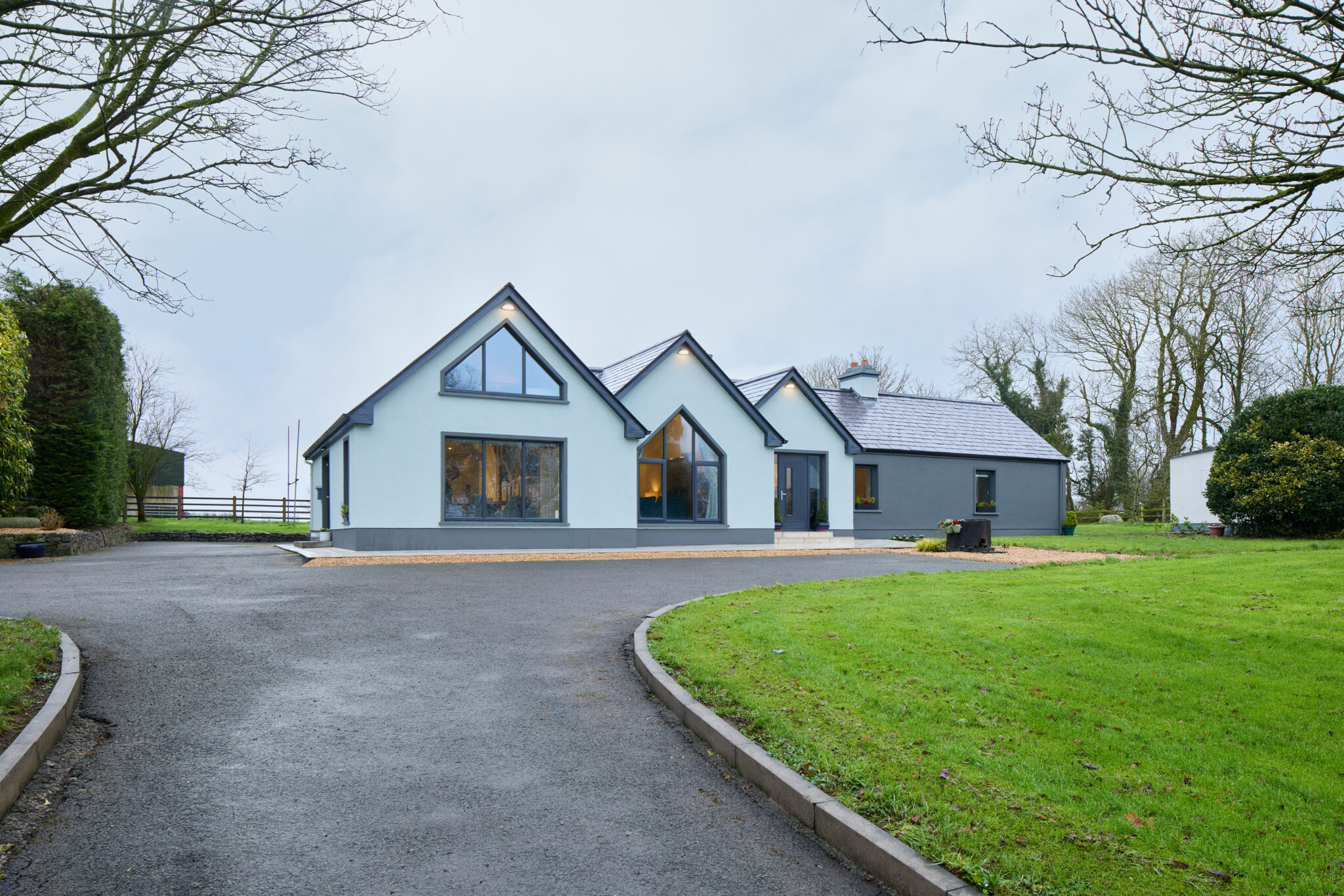
Painting your home’s exterior is one of the biggest upgrades you can make to your property. Done right, it can completely transform kerb appeal and protect your home for years. Done wrong, it can lead to peeling paint, patchy colour, mould growth and costly repainting far sooner than expected.
Ireland’s climate is particularly demanding on exterior paint. Rain, damp conditions, coastal winds and temperature changes all put pressure on your finish, which means preparation and product choice matter more than many homeowners realise.
1. Painting too soon after rain
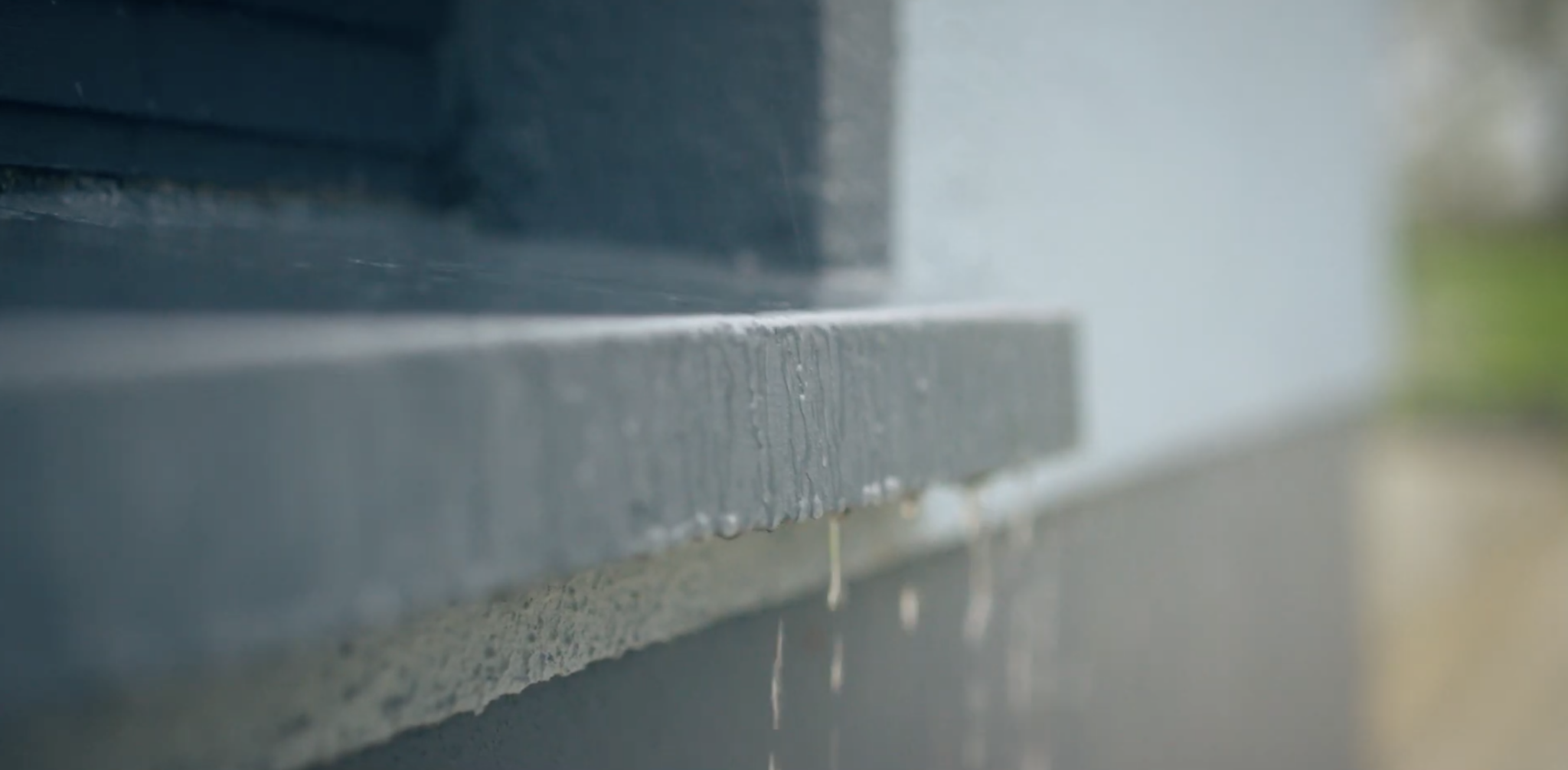
One of the biggest mistakes people make is painting walls that still contain moisture after rain.
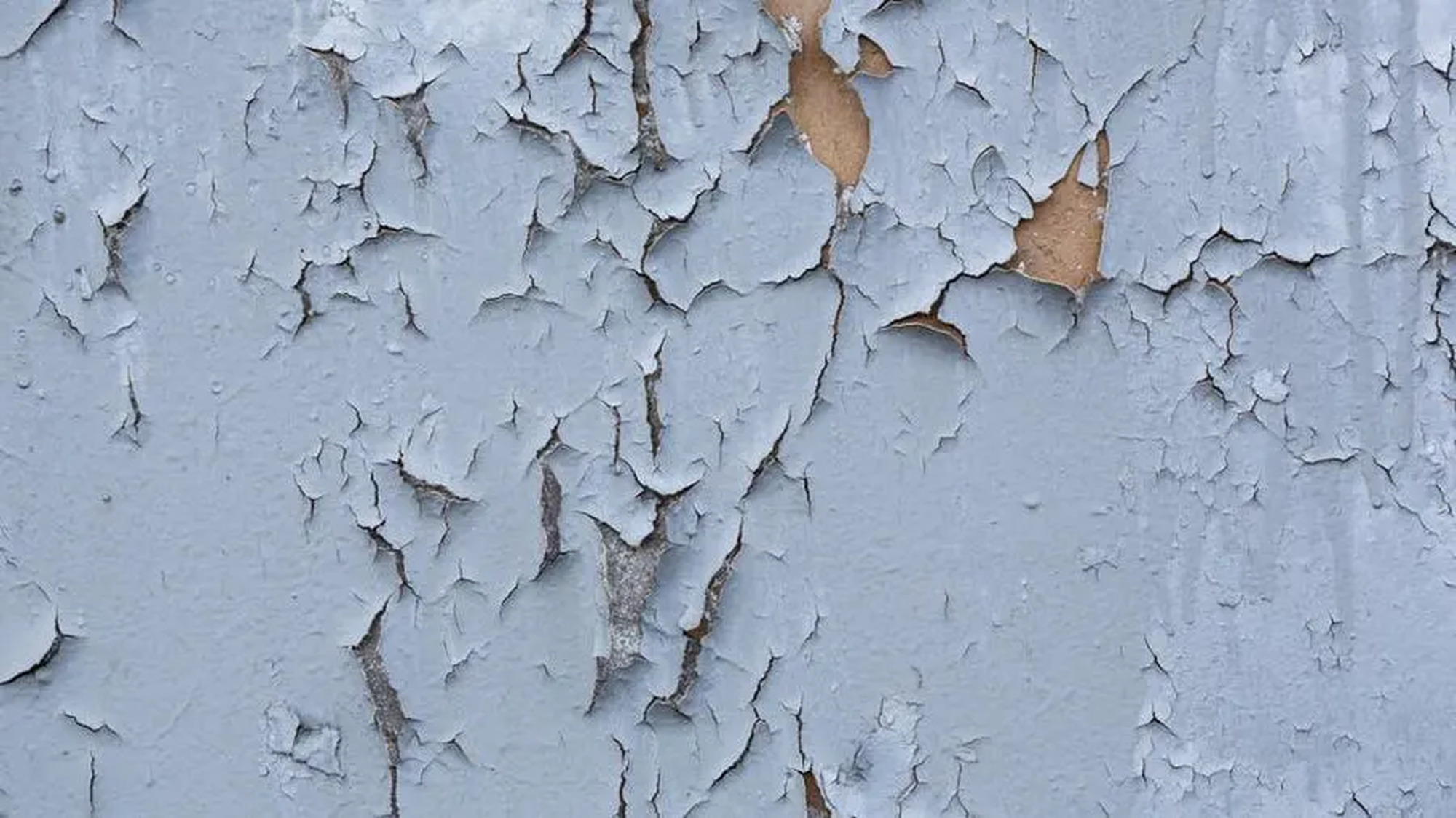
Even if the surface looks dry, masonry can hold moisture underneath for much longer, especially in shaded areas or after prolonged wet weather. Painting onto damp walls can trap moisture beneath the coating, leading to bubbling, peeling, cracking and mould growth later on
 .
.
What to do instead:
- Wait for a dry weather window before painting.
- Allow walls enough time to fully dry after rain.
- Avoid painting late in the evening when temperatures drop and moisture levels rise again.
- Check shaded or north-facing walls carefully, as they dry slower.
Ireland’s weather can change quickly, so choosing a high-performance exterior paint designed specifically for Irish conditions makes a huge difference.
2. Skipping proper preparation
Good preparation is what separates a finish that lasts from one that fails within a year or two.
Many homeowners rush straight into painting without properly cleaning or repairing the surface first. Dirt, algae, loose paint and cracks all prevent paint from bonding correctly.
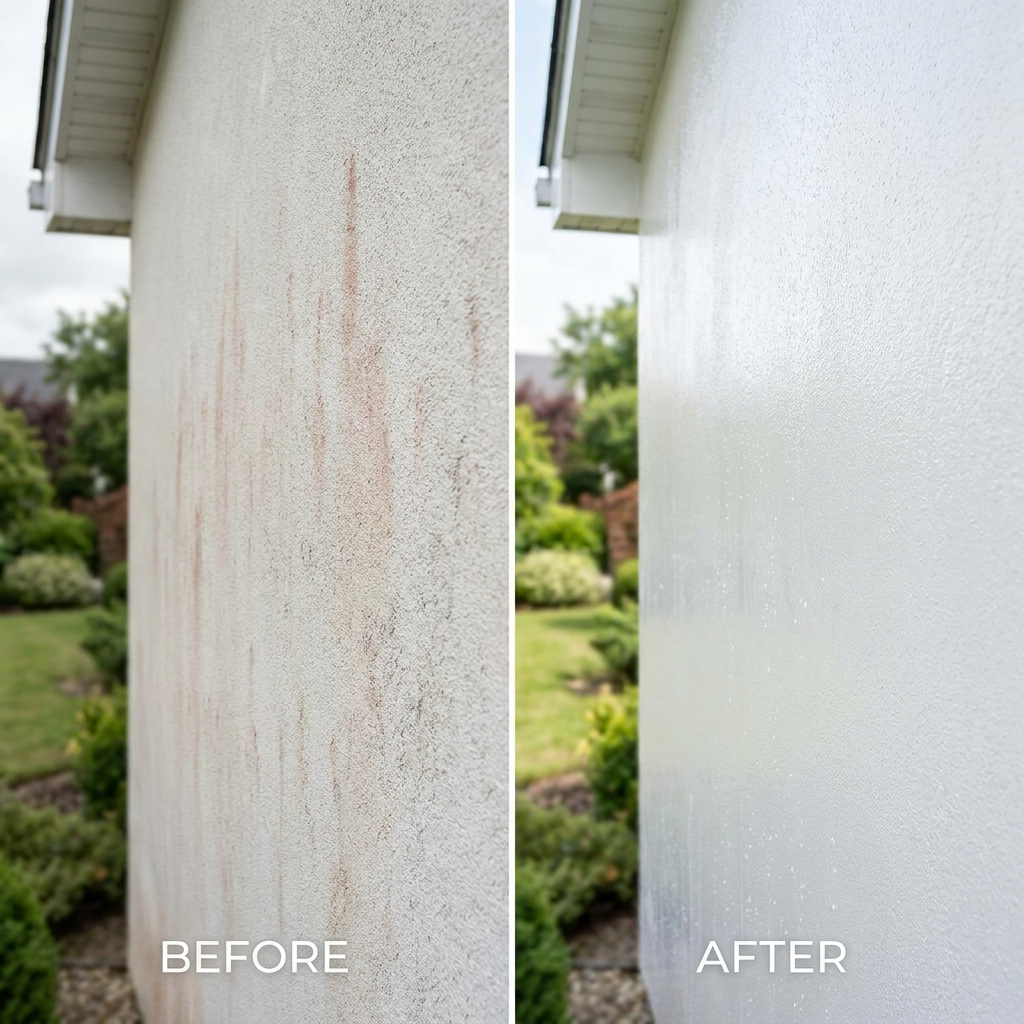
Common prep mistakes:
- Painting over flaking paint
- Ignoring hairline cracks
- Not washing walls beforehand
- Skipping primer or stabiliser where needed
- Painting over mould or algae
What to do instead:
Before painting:
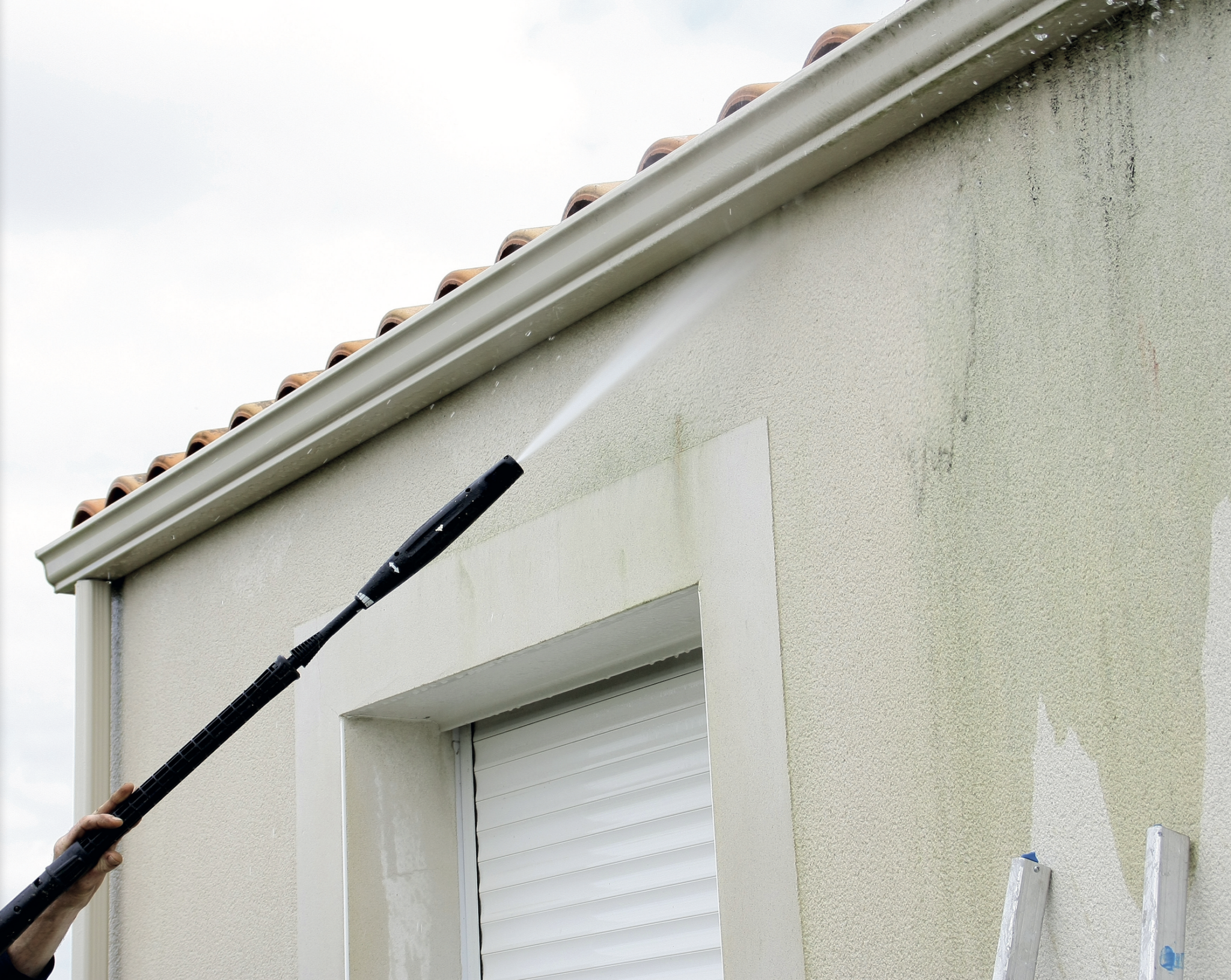
- Power wash or thoroughly clean walls
- Remove loose or flaking paint
- Fill cracks and imperfections
- Treat mould or algae properly
- Prime bare or unstable surfaces where required
Prep may not be the exciting part, but it has the biggest impact on durability.
3. Using interior rollers or inferior tools outdoors
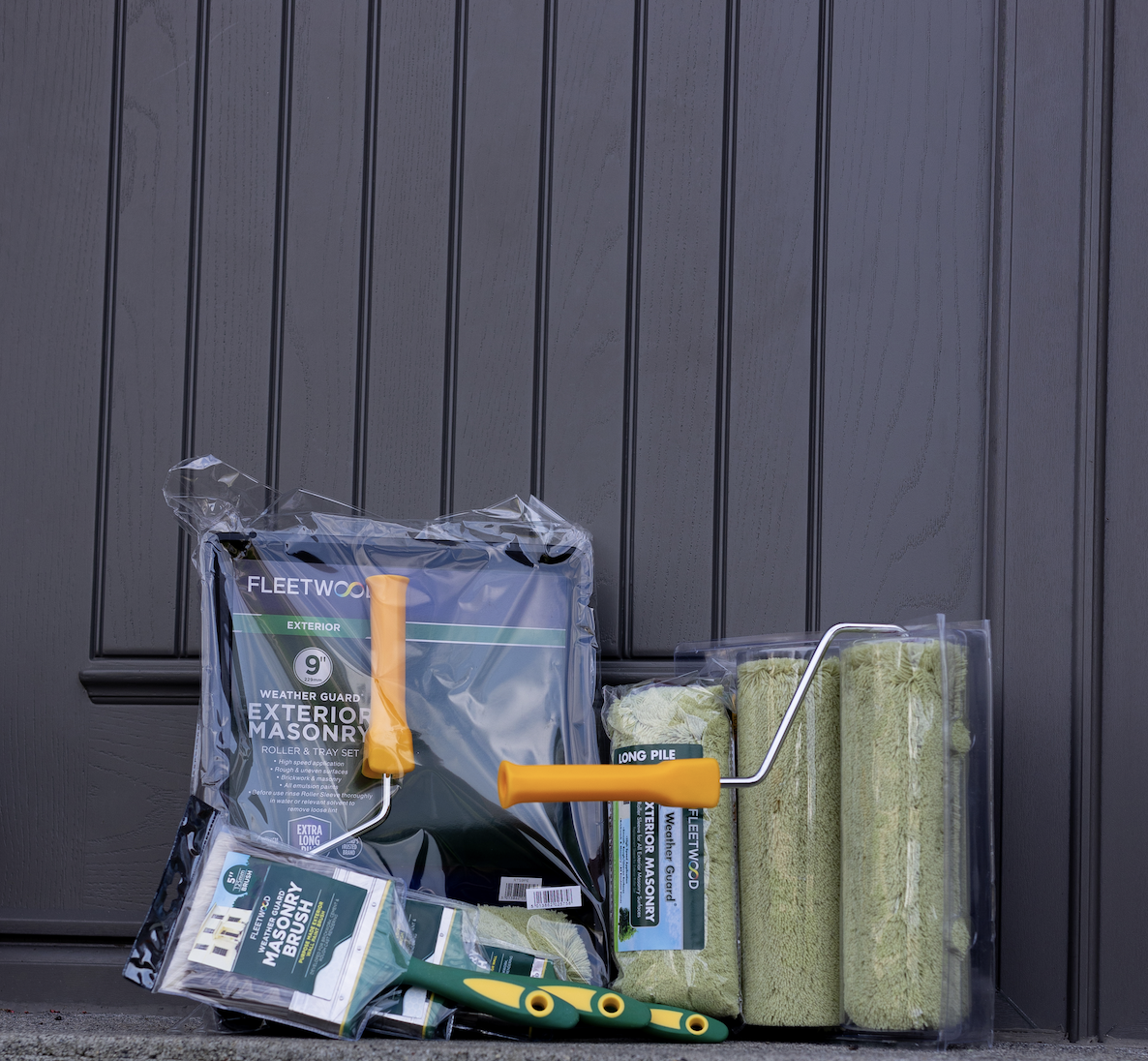
Exterior surfaces are rougher and more demanding than interior walls, yet many homeowners try to use leftover interior rollers or low-quality brushes outdoors.
This often results in:
- Uneven coverage
- Roller fibres shedding into paint
- Poor paint pick-up
- Streaky finishes
- Slower application
What to do instead:
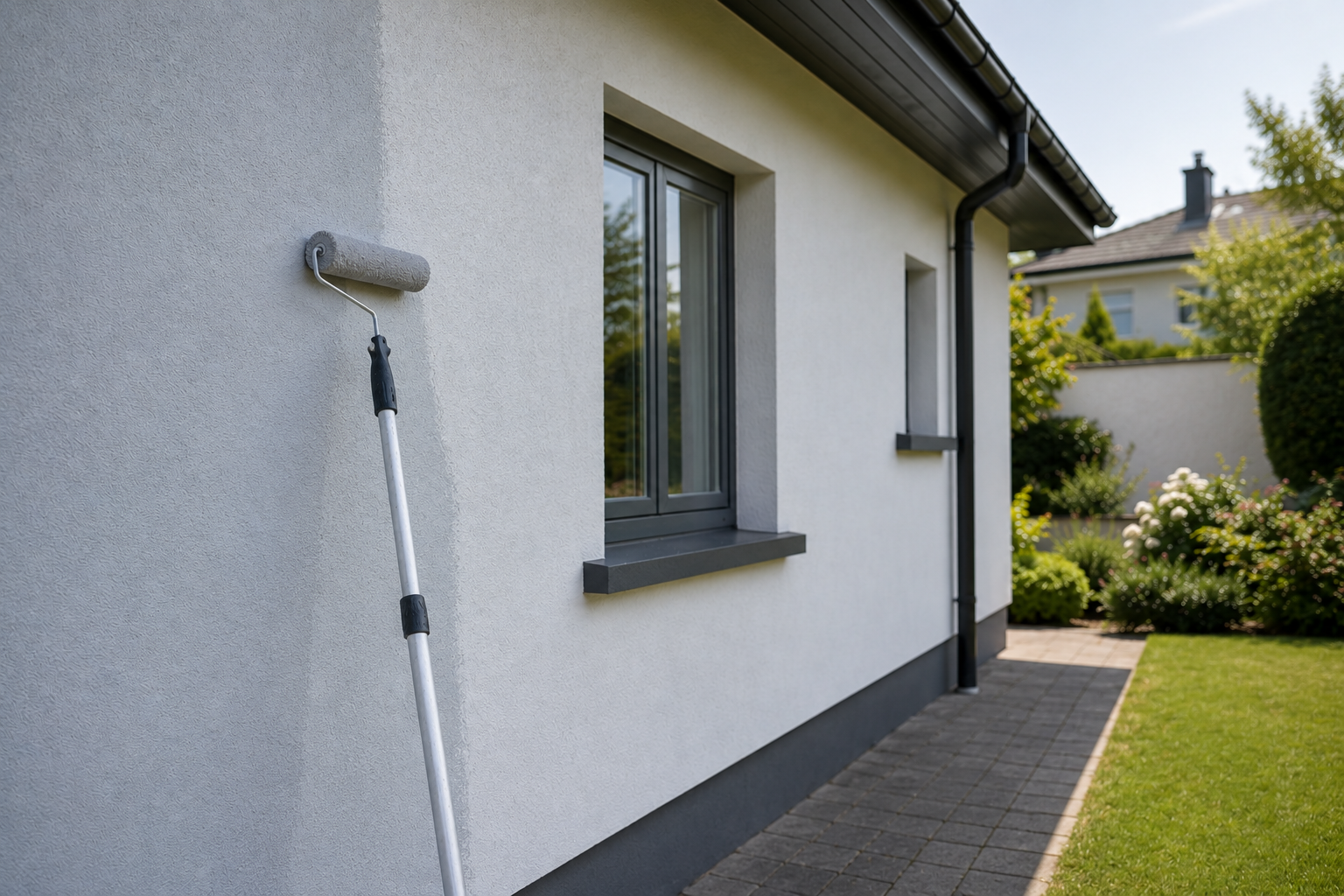
Use exterior-specific tools designed for masonry surfaces:
- Masonry rollers with thicker pile
- Durable exterior brushes
- Extension poles for even application
- Quality masking materials for cleaner edges
Better tools do not just make painting easier, they help you achieve a more professional finish with less effort.
4. Choosing the wrong exterior paint
Exterior paint is not the place to cut corners.
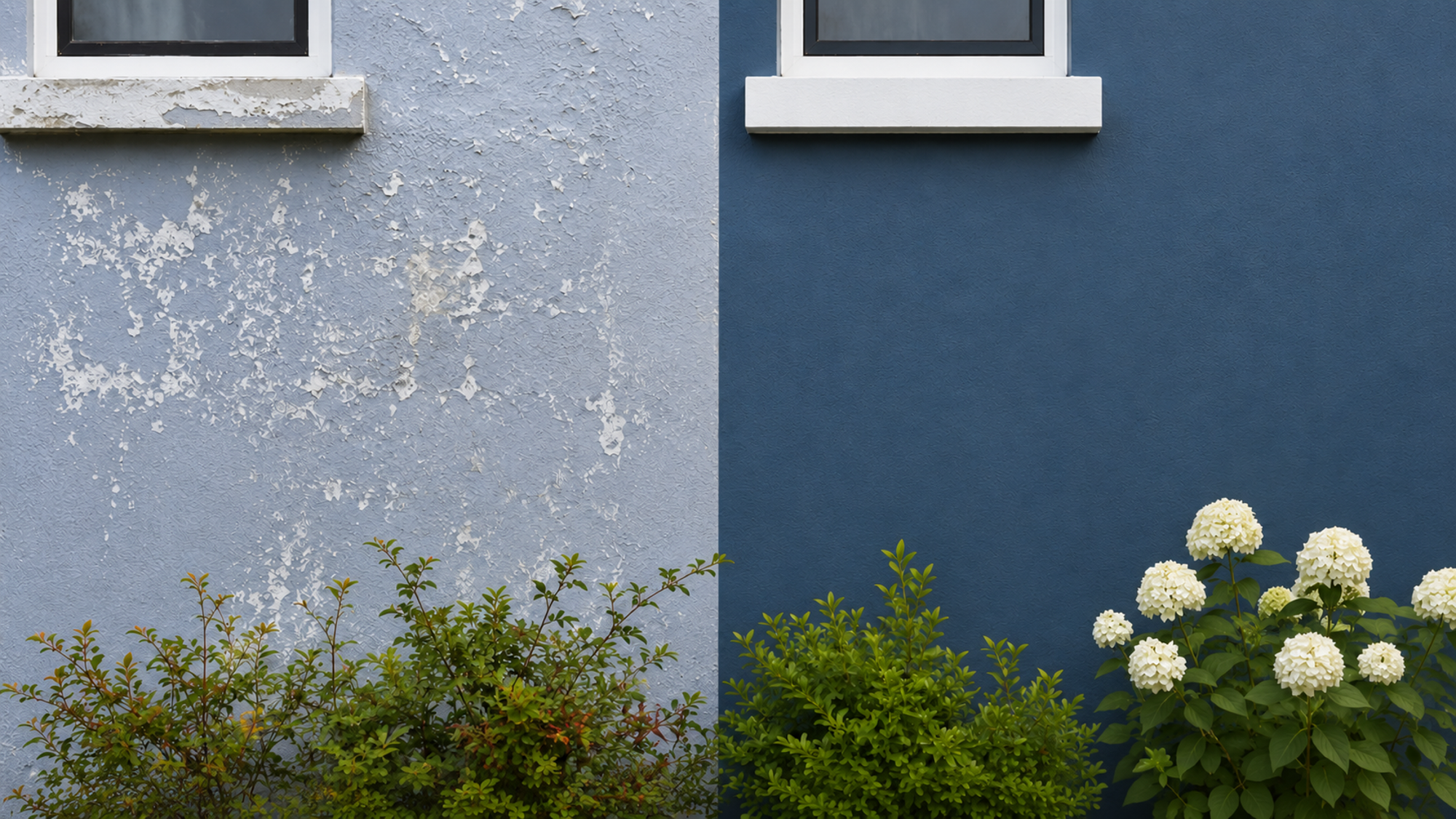
Budget paints may seem appealing initially, but they often contain lower-quality binders and pigments, meaning:
- Faster fading
- Reduced weather resistance
- Poor coverage
- More coats required
- Shorter lifespan overall
In Ireland’s climate, exterior paint has to withstand driving rain, UV exposure, frost and temperature changes year after year.
What to do instead:
Choose a specialist exterior paint formulated for Irish weather conditions.
A premium exterior paint may cost more upfront, but it typically:
- Lasts significantly longer
- Covers better
- Retains colour for longer
- Requires less maintenance over time
That means fewer repaints and better long-term value.
5. Not testing colours outdoors first
A colour that looks perfect indoors or online can appear completely different outside.
Natural daylight changes throughout the day, and exterior surroundings such as landscaping, brickwork, neighbouring houses and Irish light conditions all influence how a colour appears.
Common mistakes:
- Choosing from a tiny swatch only
- Viewing colours indoors
- Ignoring north/south-facing light
- Forgetting trim and front door colours
What to do instead:
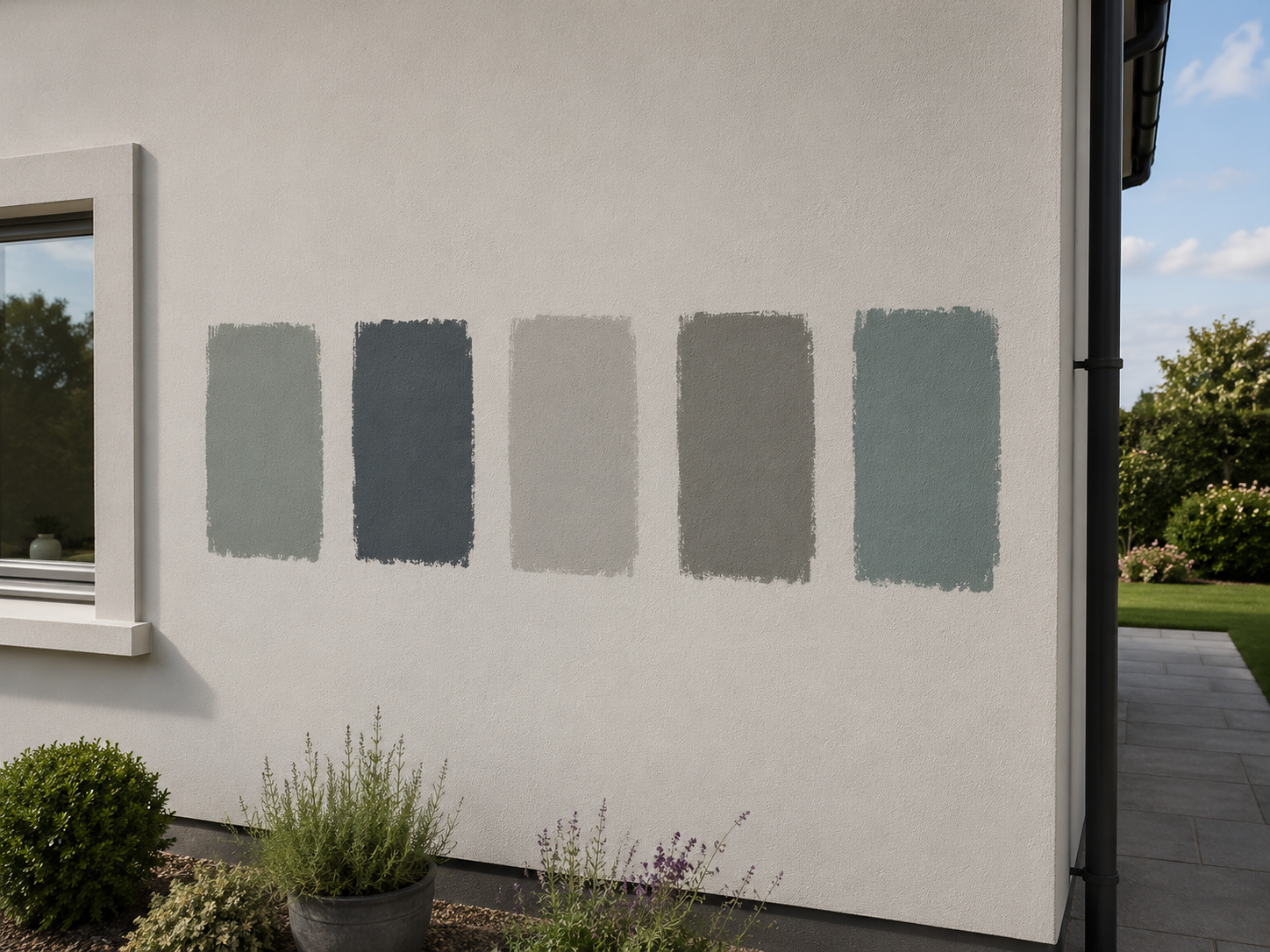
Test colours directly on your exterior walls before committing.
Paint sample sections:
- In different areas of the house
- In both sunlight and shade
- At different times of day
This helps avoid expensive colour regrets later!
6. Painting in direct sunlight
Warm weather might seem ideal for painting, but direct sunlight can actually cause problems.
When paint dries too quickly:
- Brush marks become more visible
- Lap marks can appear
- Coverage becomes uneven
- Adhesion may suffer
What to do instead:
Paint during cooler parts of the day where possible:
- Early morning
- Late afternoon
- Shaded elevations first
Work around the house with the sun rather than against it.
7. Forgetting about long-term maintenance
Even the best exterior paint performs better with ongoing care.
Many homeowners repaint and then forget about maintenance entirely until issues appear years later.
Simple maintenance tips:
- Wash down walls occasionally
- Keep gutters clean
- Remove algae early
- Repair cracks quickly
- Trim back heavy vegetation touching walls
Small maintenance steps help extend the life of your exterior finish significantly.
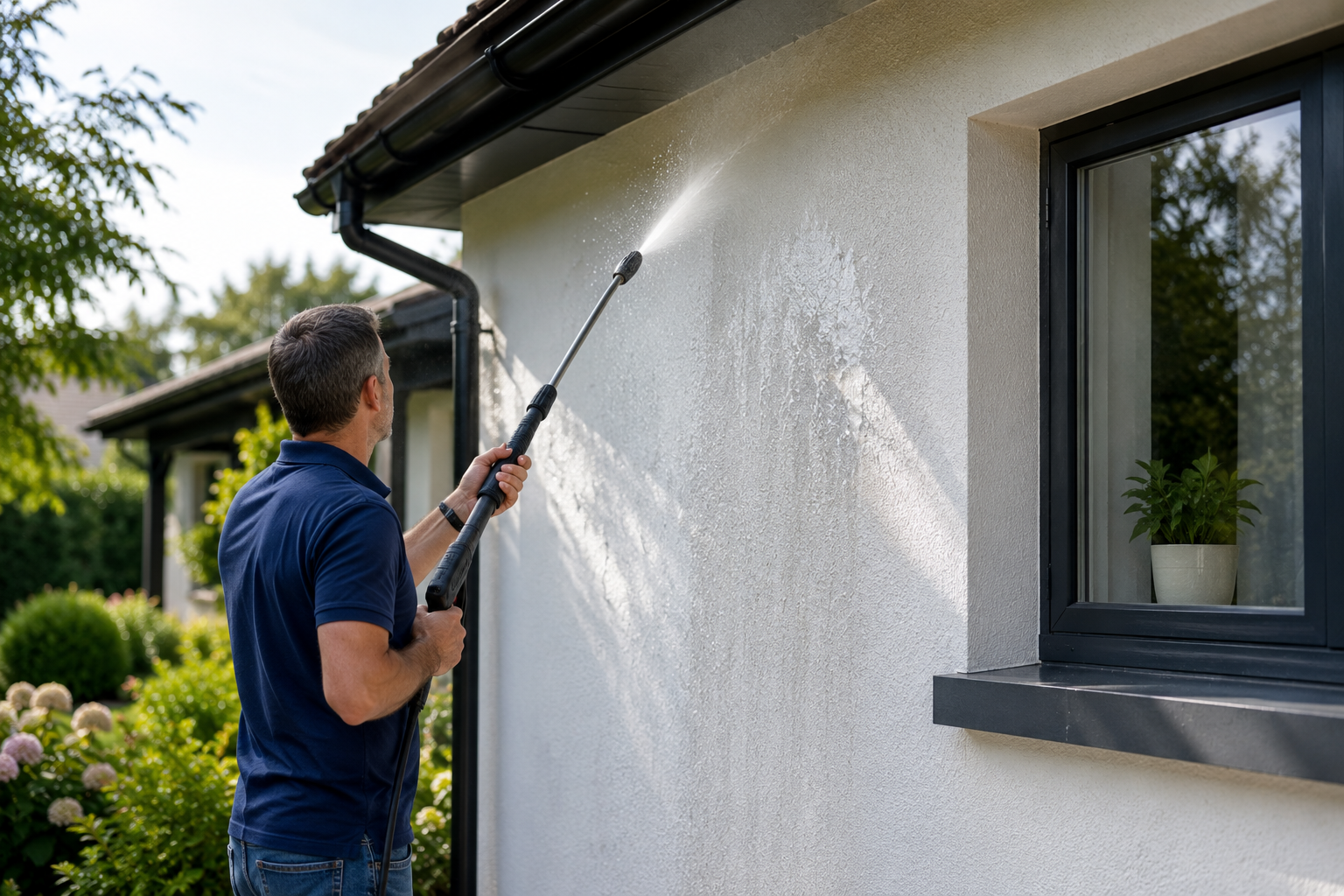
Exterior painting is a major investment in your home, and avoiding these common mistakes can make the difference between a finish that lasts a few years and one that continues to look great for much longer.
The key is simple:
- Proper preparation
- Good timing
- Quality tools
- High-performance exterior paint
- Testing colours properly
When all of those work together, you get a finish built to handle real Irish weather conditions.